 CaféA La Carte Travel d.o.o.
BookNoFees
Holiday homes in Croatia.
Adriatic coast, walled towns and island-hopping.
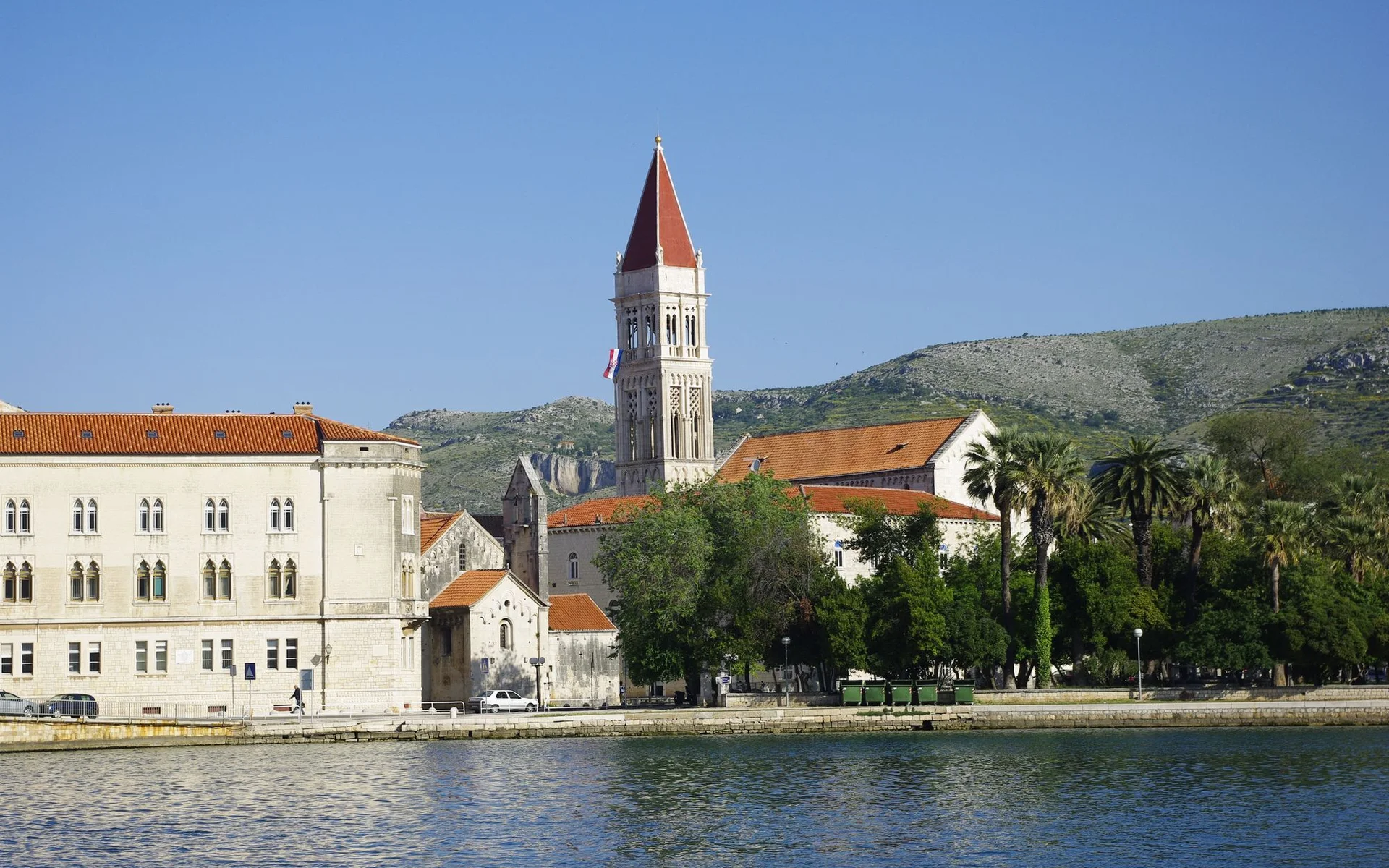
Živoslav Ilić / Pexels
The difference
A host wants NZ$1,977. Here’s what it costs.
Guest paysHost keeps
AirbnbNZ$2,338NZ$1,977
BookNoFeesNZ$2,113NZ$1,977
Hosts pay no booking commission and receive their host amount in full. A guest cost contribution of 6.9% of the host amount is already included in the displayed total. It contributes to payment processing, refund handling and payment loss costs.
Take a simple example: an owner who wants to earn NZ$1,977 for a week.
| What each platform takes | Airbnb | Booking.com | BookNoFees |
|---|---|---|---|
| Host booking commission | 15.5% | 15%–25% | 0% |
| Payment processing & protection | included | contract-specific | 6.9% |
| Owner keepson a NZ$1,977 listing | NZ$1,670 | NZ$1,482–NZ$1,680 | NZ$1,977 |
| Guest paysfor NZ$1,977 to reach the owner | NZ$2,338 | NZ$2,325–NZ$2,635 | NZ$2,113 |
Over 18 weeks let, that is more than NZ$3,953 a year in this example — money that stays with the guest or reaches the owner.
Rates checked in September 2026. Under its single-fee structure, Airbnb charges most hosts 15.5%; Airbnb says other hosts typically pay between 14% and 16%. Exceptions depend on country and account type. Booking.com sets the commission rate in each accommodation agreement, and visibility programmes may increase it. This worked example uses a possible range of 15% to 25%. If Booking.com facilitates payment, the applicable payment terms and transaction cost are contract-specific. Our 6.9% cost contribution is included in the displayed total and contributes towards Stripe payment fees and refunds. Nothing is added at checkout and nothing is deducted from the owner. Fee models can change, so please check each platform’s current terms. Sources: Airbnb Help Center and Booking.com General Delivery Terms.
Stay here
Places to stay in Croatia
 All-in priceCrikvenica, SelseVilla with a private saltwater swimming pool and sea views2 bedrooms · 5 guestsfrom NZ$348View stay →
 All-in priceKanfanarVilla Cerasela | Stylish villa near Rovinj with a swimming pool, hot tub and barbecue3 bedrooms · 6 guestsfrom NZ$909View stay →
 All-in pricePulaApartment MILOS A5 – Pula I 3 bedrooms3 bedrooms · 5 guestsfrom NZ$169View stay →
 All-in priceVodicePenthouse flat with a stunning panoramic sea view2 bedrooms · 4 guestsfrom NZ$374View stay →
 All-in priceJuršićiSpacious villa with a private swimming pool and garden4 bedrooms · 10 guestsfrom NZ$1,162View stay →
 All-in priceBiograd na MoruApartment David3 bedrooms · 6 guestsfrom NZ$318View stay →
 All-in priceBarbićiDetached holiday home with a large round swimming pool and garden3 bedrooms · 6 guestsfrom NZ$243View stay →
 All-in priceTribunjNEW – Studio flat near the beach1 bedroom · 2 guestsfrom NZ$95View stay →
Food and drink nearby
Restaurants and cafés in Croatia
CaféA La Carte Travel d.o.o. RestaurantAl Dente
 CaféAlcatraz
 RestaurantAsia
 RestaurantBatak
 RestaurantBatak
Popular places
Popular places to stay in Croatia
HvarIstriaDalmatian CoastPulaMedulinVodiceRogoznicaPrivlakaBračKorčulaKrkPagBarbićiBiograd na MoruČabrunićiCrikvenica, SelseDonji ZagonFazanaFazana- ValbandonJuršićiKanfanarKaštel NoviKastel StafilicKaštel StariKaštel Sućurac, SplitKrapanjLoborika- Općina MarčanaLudbregMalinskaNinNovigradOkrug GornjiOmišPagPetrcanePosedarjeRabRakaljSlatineTribunjTrogirTuranjVinkuranVirVrsiVučevica, Klis, SplitZaboricZadarZemunik Gornji
About Croatia
Staying in Croatia
Croatia stretches along the Adriatic in a long ribbon of pine-backed coves, Roman old towns and more than a thousand islands, and it has become one of the Mediterranean's favourite self-catering destinations. The south belongs to Dalmatia, where Split's Diocletian's Palace and the walls of Dubrovnik anchor ferry routes out to Hvar, Brac and Korcula. In the north, the Istrian peninsula trades beaches for hill towns, truffles and Venetian-flavoured ports like Rovinj, Pula and Porec, while the Kvarner Gulf adds the islands of Krk and the belle-epoque resort of Opatija. Inland, Zagreb offers a relaxed cafe-culture capital and the terraced waterfalls of Plitvice Lakes draw day-trippers year round. Croatia adopted the euro and joined the Schengen area in 2023, so for many travellers arrival and payment are simpler than ever.
Good to know
Holiday homes in Croatia: FAQ
When is the best time to visit Croatia's coast?
The warm, dry season runs roughly from May to October. July and August bring the hottest weather, warmest sea and the busiest beaches — and the highest rental prices, especially in Dubrovnik and Hvar Town. Many travellers prefer late May, June or September, when the sea is still swimmable, crowds are thinner and self-catering rates ease. Spring and autumn also suit sightseeing in Split, Istria and Plitvice Lakes, which stays open year round.
How do I get around between the islands and the mainland?
The Adriatic is linked by a dense network of car and passenger ferries and faster catamarans, with Split and Dubrovnik acting as the main hubs for Hvar, Brac, Korcula and other islands. Ferries run most frequently in summer, so it is worth checking timetables and booking car spaces ahead in July and August. On the mainland a hire car is the easiest way to reach Istria, the Kvarner Gulf and Plitvice Lakes, while the coastal cities are walkable once you arrive.
What makes each region different?
Dalmatia in the south is the classic image of Croatia: walled towns like Dubrovnik, Split's Roman core and island-hopping to Hvar, Brac and Korcula. Istria in the north-west leans Italian in feel, with hill towns, truffles, wine and harbours such as Rovinj, Pula and Porec. The Kvarner Gulf around Krk and Opatija mixes islands with grand 19th-century resorts, Zagreb is the cafe-culture capital inland, and Plitvice Lakes is the country's best-known national park of turquoise lakes and waterfalls.
What does it cost to book direct on BookNoFees?
BookNoFees deducts no commission from the amount set by the host. The displayed total includes a 6.9% guest fee on the host price, covering payment processing, refund handling and payment risks. Nothing is added at checkout.
Is the tourist tax included in my rental price?
Croatia charges a per-person, per-night tourist tax (sojournina) that is collected locally, and it is usually shown separately from the nightly rate. Rates vary by area and by season, so the exact amount depends on where and when you stay. Because it is set by local authorities and can change, check the current figure with your host or on the listing rather than assuming it is bundled into the headline price.
Why book directly with the host instead of a big platform?
For self-catering stays in Croatia — where apartments and villas are the norm — that direct relationship often means clearer communication and better-value pricing.
Hosts wanted in Croatia
Own a place in Croatia? List it free.
Keep 100% of your price — 0% commission, always. Add your place, connect your calendar, go live.
List here for free